
Does eating collagen actually translate to making more of it?
Collagen has become one of the biggest conversations in the supplement world. From powders promising firmer skin to capsules marketed for joint health, there's no shortage of products encouraging us to consume more of it. But there's an important part of the collagen conversation that doesn't always get the same attention.
Your body already makes collagen. So before we look at whether taking collagen can help, it's worth understanding what collagen actually is, what happens when we consume it and the nutrients our bodies rely on to produce it.
Why does collagen matter?
Collagen is the most abundant protein in the human body. It's a major structural component of our skin, bones, tendons, ligaments, cartilage and blood vessels. Think of it as part of the framework that gives these tissues their structure, strength and resilience.
In our skin, collagen helps maintain firmness and structural integrity. In our joints, it's an important component of cartilage, tendons and ligaments. And in our blood vessels, collagen contributes to the strength of the vessel walls. Our bodies continually produce and remodel collagen, although collagen production and turnover change with age. Other factors, including smoking, sleep, and nutritional status, can also influence collagen health.
It's understandable, then, that collagen supplements have become so popular.
What happens when you consume collagen?
Whether you consume collagen through foods such as meat, fish and bone broth or take it in supplement form, it undergoes digestion. Digestive enzymes break collagen proteins down into smaller peptides and amino acids, which can then be absorbed. These amino acids become available for your body to use in various ways. They may contribute to building collagen, but they can also be used to make other proteins or fulfil other metabolic needs. You can’t “instruct” that. Your body will do what it prioritises with the amino acids being supplied.
Certain collagen-derived peptides may act as signals that influence collagen production, which is one reason collagen supplementation has attracted scientific interest (the research on this is currently very poor). What we do know, however, is that consuming collagen doesn't guarantee that your body will make more collagen, let alone in a particular tissue. Your body decides how to use the nutrients it receives, according to its needs and the biological processes taking place.
What does your body actually need to make collagen?
Collagen synthesis is a complex biological process. It requires specific amino acids, vitamins and minerals and the coordinated activity of enzymes.
Protein
Collagen is made from amino acids, particularly glycine, proline and hydroxyproline. Your body needs an adequate supply of amino acids to synthesise collagen and the many other proteins essential for normal function. This is one reason I often remind people in my work: what you eat literally becomes part of you.
Protein-containing foods such as meat, poultry, fish, eggs, legumes, nuts and seeds help provide these building blocks. Collagen supplements also provide amino acids, but not collagen itself (as the collagen is broken down during digestion to amino acids and small peptides). Collagen itself isn't a complete protein because it lacks the essential amino acid tryptophan. This is one reason sufficient dietary protein, from a variety of sources, deserves attention before focusing on any single protein supplement.
Vitamin C
Vitamin C plays a particularly important role in the collagen production process. It's required by enzymes that modify specific amino acids within newly forming collagen. These modifications help the collagen molecule develop the stable structure it needs to function properly. Without sufficient vitamin C, normal collagen formation is impaired.
This is why severe vitamin C deficiency leads to scurvy, a condition characterised by symptoms including poor wound healing, bleeding gums and fragile blood vessels. And it's also why vitamin C's role extends well beyond the immune support it's so widely known for.
From skin and connective tissue to blood vessels, bones and cartilage, vitamin C contributes to healthy collagen formation throughout the body. Good food sources include kiwifruit, citrus fruits, capsicum, strawberries, broccoli and acerola cherries.
Iron
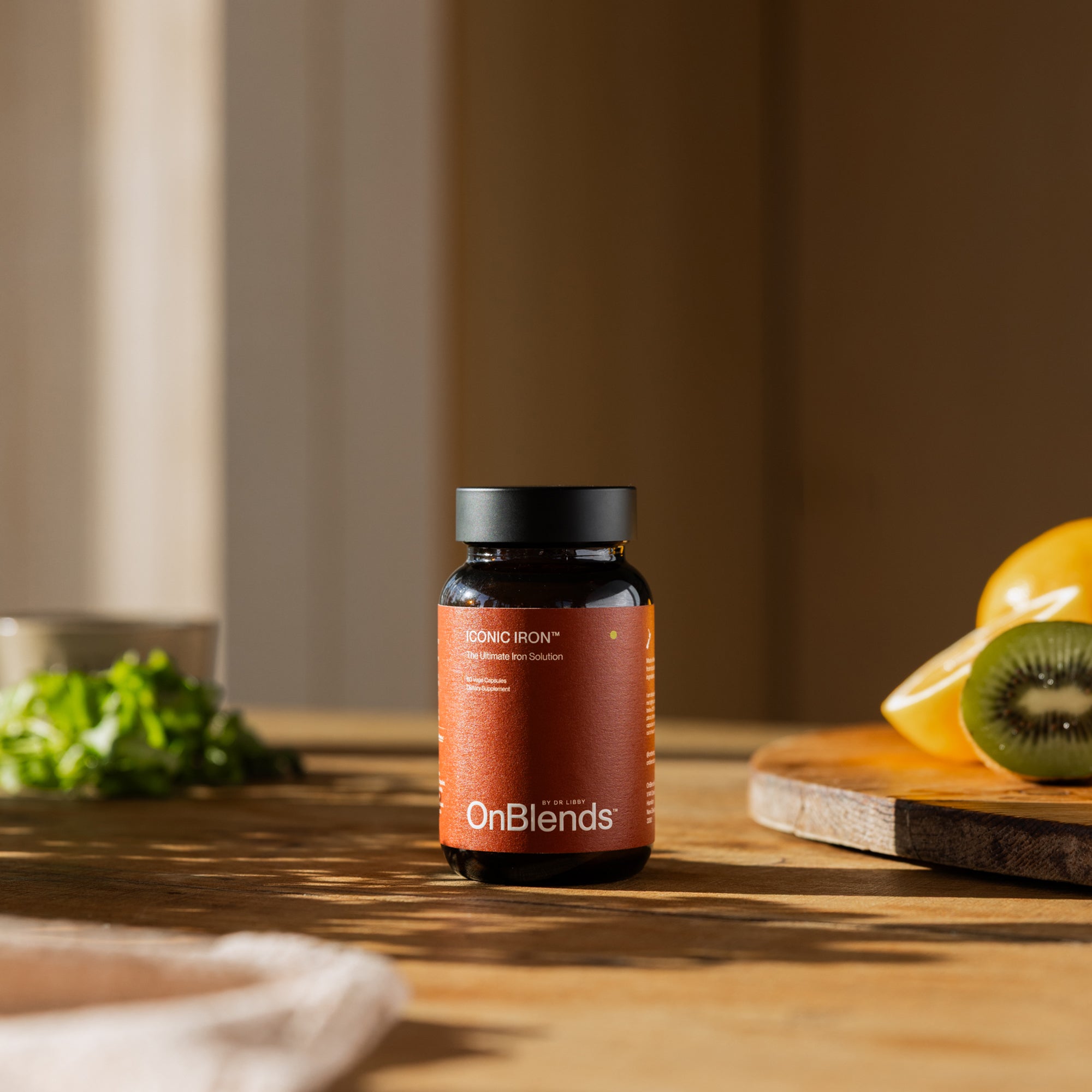
Iron is best known for its role in oxygen transport and energy production, but it's also involved in collagen synthesis. Like vitamin C, iron is required for the activity of enzymes that modify specific amino acids during collagen formation. These modifications help stabilise collagen's structure, making iron another important part of the process. It's one more reason why maintaining adequate iron levels matters beyond the functions we typically associate with this essential mineral. Good food sources include organ meats, red meat and some seafoods. As the most common nutrient deficiency worldwide, supplementation like Iconic Iron can help to fill gaps, particularly for women and children who are most at risk.
Copper
Making collagen is one thing. Giving it structural strength is another. Copper is required by an enzyme called lysyl oxidase, which helps form cross-links between collagen molecules. These cross-links contribute to the strength and stability of collagen-rich tissues. Copper can be found in foods such as organ meats, shellfish, nuts, seeds and whole grains (if you digest them well). You’ll also find copper from sesame seeds in our Iconic Iron blend.
Zinc
Zinc is involved in hundreds of enzymatic processes throughout the body, including normal protein synthesis, cell division and wound healing. Although its role in collagen formation is less direct than that of vitamin C or copper, zinc contributes to the broader biological processes involved in maintaining and repairing tissues. It also helps slow the breakdown of the collagen that already exists.
Food sources include oysters, red meat, eggs and seeds. Zinc is another mineral with an RDI that can be difficult to get from your plate alone and Organic Zinc can help to bridge any gaps.
Why nutrient sufficiency matters
It's tempting to focus on one ingredient when we're trying to support a particular outcome. Collagen for skin, calcium for bones – a supplement for every individual concern. But our bodies don't operate in isolated silos. Collagen production depends on a coordinated series of biological processes, each requiring the right materials and conditions.
And while consuming more of a particular nutrient may be helpful when intake is insufficient, more isn't necessarily better once your body's needs are met. For example, vitamin C is essential for collagen formation, but taking megadoses doesn't mean your body will produce more collagen. The same principle applies to other nutrients.
The goal isn't simply to consume more. It's to ensure your body has enough of what it needs, to do the tasks inside you that need doing – like building collagen. Before you supplement the outcome, support the process.