Article: Why might menopause symptoms continue after your period stops?

Why might menopause symptoms continue after your period stops?
You made it through the unpredictable bleeds. The increasingly long gaps between them. Eventually, 12 months pass without one and you’re officially postmenopausal. So why might you still be waking up hot at 3am, struggling with sleep, feeling exhausted or wondering when you’re going to feel more like yourself again?
The obvious answer is related to hormones and that your body is still adjusting to living without a monthly progesterone surge and lower levels of estrogen – not none, you’re still producing estrogen. Just nowhere near as much as when you were menstruating.
And of course hormones may well be part of what you’re experiencing – but they may not be the whole story – or even any part of it. Other aspects of health don’t stop impacting how you feel just because your post-menopause. Your final period marks the end of menstruation. It doesn’t mean your body instantly adjusts to its new hormonal environment. Nor does reaching menopause make every symptom you experience from that point onwards a “menopause symptom”.
And that distinction matters.
Your hormones don’t simply switch off overnight
Perimenopause is often talked about as a time of “declining estrogen”, but that doesn’t accurately capture what’s happening. During the menopausal transition, ovarian function becomes less predictable. Ovulation occurs inconsistently, which changes progesterone production, while estrogen can fluctuate considerably – sometimes reaching very high levels before falling again.
Eventually, as ovarian follicle activity declines, ovarian production of progesterone comes to an end and ovarian estrogen settles at about 10% of what it was during the menstruation years. Menopause itself is the day of the 12 month anniversary after your final menstrual period and once you’ve gone past this you’re in your postmenopausal season. But reaching that milestone doesn’t always mean your body instantly adjusts to its new hormonal environment.
Some symptoms have a clearer estrogen connection
Hot flushes and night sweats are two examples more commonly linked to a withdrawal from estrogen, although not always connected. Estrogen interacts with part of the brain involved in helping to regulate body temperature. As estrogen changes through the menopause transition, this temperature-control system can become more sensitive, contributing to a rush of heat, sweating and middle-of-the-night covers-on, covers-off routine. Lower estrogen can also affect the tissues of the vagina, vulva and urinary tract. For some women, that means dryness, irritation, discomfort during sex or urinary symptoms that continue beyond their final period. But other symptoms aren't quite so simple.
Fatigue, poor sleep, brain fog, low mood: is it always menopause-related?
When we attribute something to menopause, we are suggesting that it’s created solely by changes in sex hormones. But our broader health does not stop impacting how we feel and function just because we are post-menopausal. This is where we need to zoom out. There is significant overlap between symptoms often attributed to the menopause transition and those associated with other physiological changes and health conditions that become increasingly relevant in midlife. Feeling exhausted, struggling to concentrate, waking through the night, changes in mood, changes in body composition or simply feeling “not quite right” may coincide with menopause without necessarily being caused or explained by sex hormones alone.
That means it's worth asking a bigger question: what might be contributing to what my body is experiencing?
Your metabolic health matters too
Menopause doesn't occur in a metabolic vacuum. Research shows that mid-life can coincide with changes in body composition, particularly an increase in abdominal fat, alongside changes in insulin sensitivity and blood lipids. Insulin resistance is particularly worth understanding. When cells become less responsive to insulin, the body needs to produce more of it to manage blood glucose. Over time, this can influence energy, appetite, body composition and wider metabolic health.
And there can be a crossover between metabolic and hormonal health. Declining estrogen appears to be one contributor to the cardiometabolic changes observed around menopause, but ageing, body composition, physical activity, sleep and numerous other factors matter too. In other words, it isn't necessarily a choice between “hormones” and “metabolism”. The two are deeply intertwined.
Don’t forget your thyroid
Then there’s the thyroid.
Thyroid hormones influence metabolic rate, temperature regulation, heart rate, digestion, energy and many other processes. When thyroid function isn't optimal, symptoms can include fatigue, tighter clothes, sleep issues or low mood and difficulty concentrating. Sound familiar? That overlap is exactly why it can be unhelpful to assume that every new symptom appearing in your 40s or 50s is simply part of menopause. If symptoms are persistent, significant or don't seem to fit your usual pattern, talk to your healthcare professional about whether further investigation is appropriate.
And what happened to your iron?
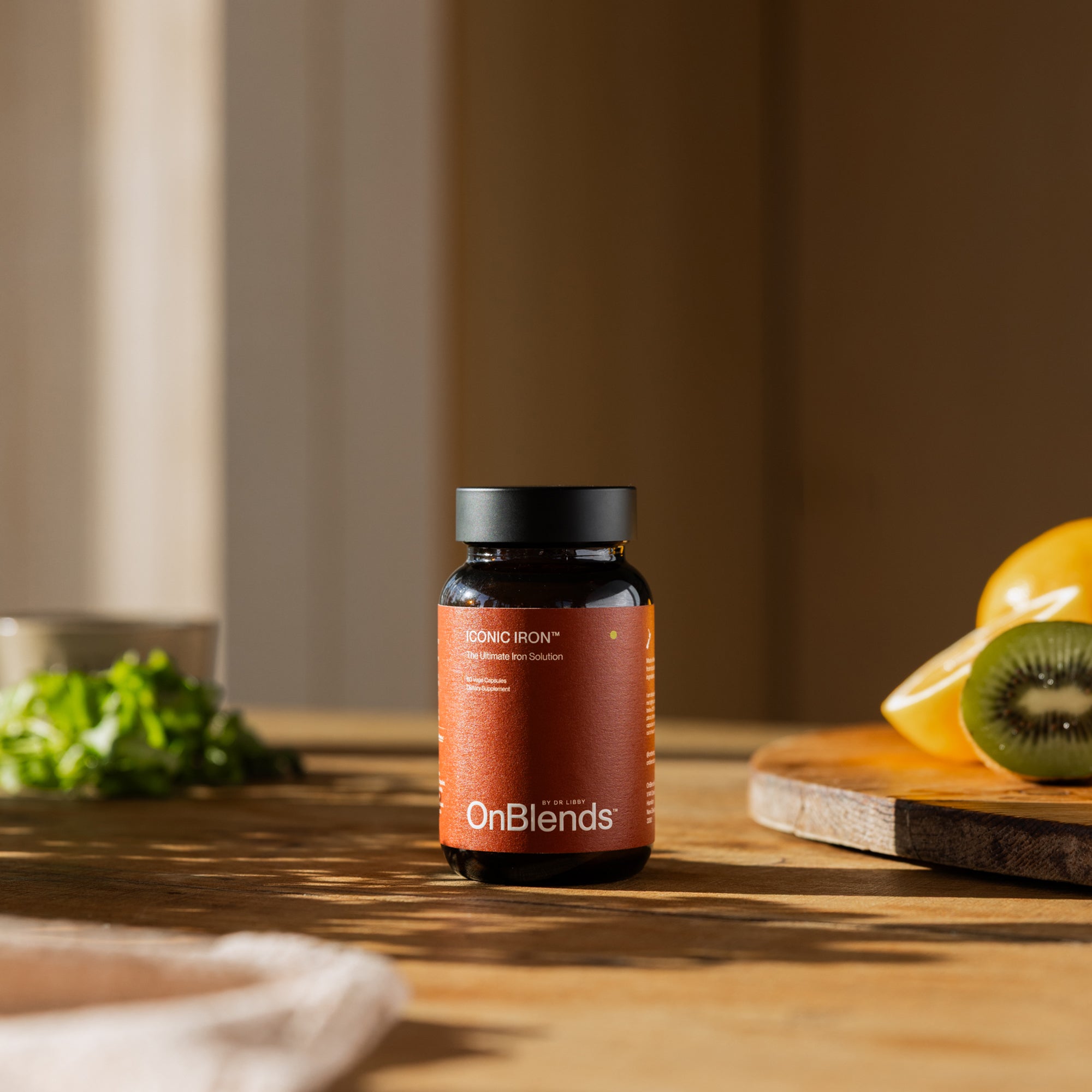
After decades of menstruation, this one deserves particular attention. Perimenopause can sometimes involve episodes of heavier, prolonged or more frequent menstrual bleeding. And blood loss means iron loss. So while periods becoming less frequent might eventually reduce menstrual iron losses, that doesn't automatically mean the iron stores you have accumulated – or depleted – along the way have suddenly recovered.
Iron deficiency can be the sole cause of or a major contributor to fatigue, impaired concentration and reduced physical capacity, creating yet another layer of symptom overlap. If you've experienced heavy bleeding through perimenopause, under-eaten or dieted regularly during the menstruation years, or you're persistently exhausted despite your periods becoming infrequent or stopping altogether, iron status needs to be tested.
This is why we need to look at the whole woman
Hormones matter of course, but they exist within a body that also has a thyroid, glucose and insulin regulation, iron stores, a nervous system, nutritional needs and a life that may involve stress, disrupted sleep and a great deal happening at once. For one woman, hot flushes and vaginal dryness may point towards the effects of lower estrogen. For another, persistent fatigue may warrant looking at iron, thyroid function, sleep or metabolic health. And for another, several of these things may be happening at once. The perimenopause transition can also be a time when you are prompted to ask yourself if how you have been living lifestyle-wise, is how you want to continue living.
Supporting your body through a different hormonal environment
Not every woman needs additional support simply because she's reached menopause. If you feel well, wonderful. If symptoms are affecting how you feel, understanding what is driving them gives you a much better starting point for deciding what support you might need. Start with the foundations: nourishing food, regular movement, quality sleep (or restoring this if it’s an issue) and strategies that support your ability to cope with stress. For women who are experiencing the effects of their changing sex-hormone environment, particularly low estrogen, targeted herbal support may also have a place. It is for exactly this stage of life that Dr Libby formulated Meno Ease. It contains five carefully selected medicinal herbs – black cohosh, withania (ashwagandha), shatavari, schisandra and saffron – chosen to support women experiencing the challenges that can accompany the late stage of perimenopause (when periods have ceased), menopause and beyond.
And don't be afraid to investigate symptoms rather than automatically writing them off as menopause. The more we understand what might be influencing symptoms internally, the better we can support what our body needs now.