
Why I want to help resolve iron deficiency
That iron deficiency remains the most common nutritional deficiency globally is unacceptable to me. Too many people live knowingly or unknowingly with low iron, often not realising how far-reaching the consequences can be – from lousy energy, brain fog and anxious feelings to thyroid issues and a more challenging perimenopausal transition.
And then there are the children. Here in New Zealand, 14 per cent of children under two are iron deficient and more than one-third of teenage girls don’t meet their daily iron requirements.
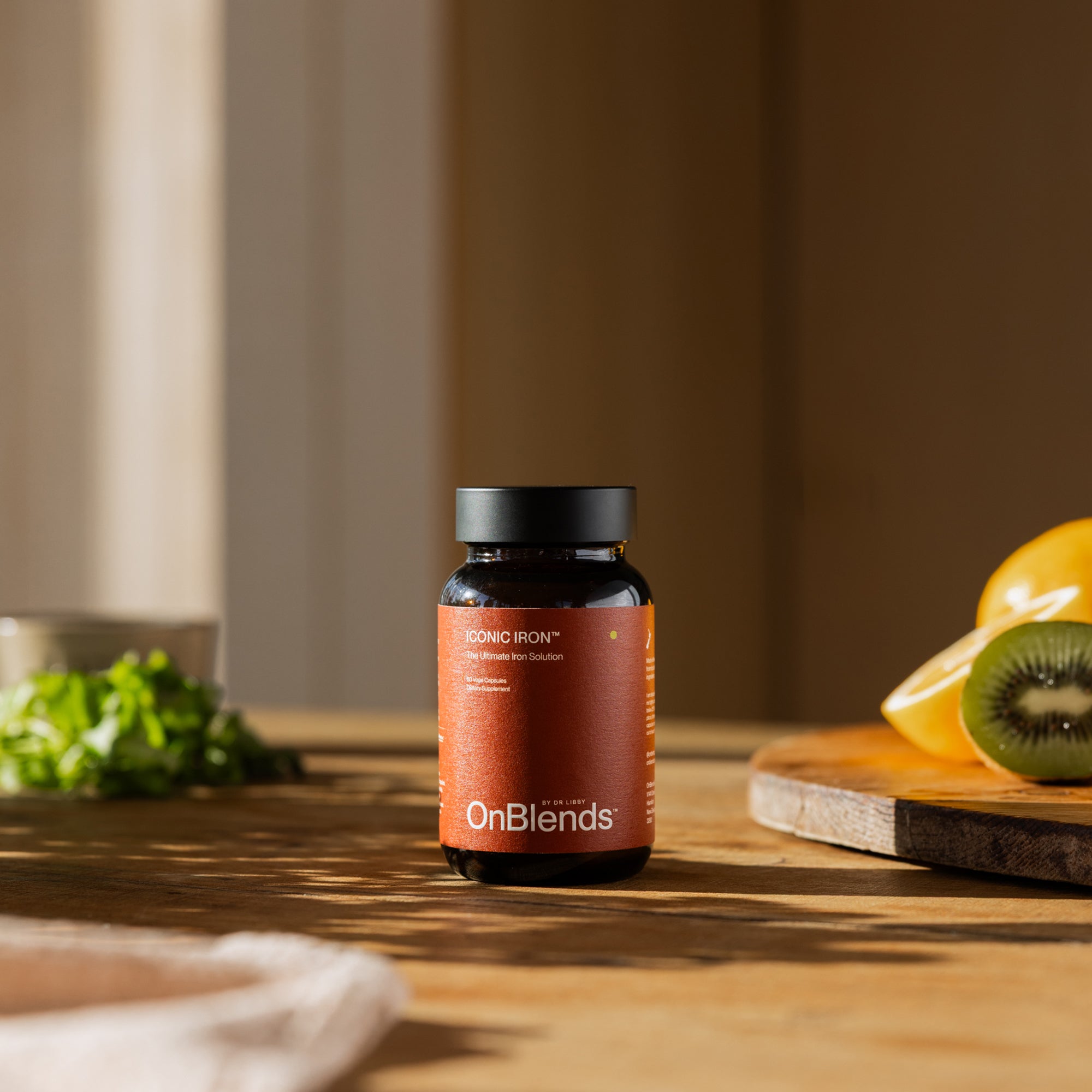
It’s why I’ve made resolving iron deficiency such an important focus of my work. And it’s why I spent eight years researching what would eventually become Iconic Iron – the ultimate iron solution that contains a ground-breaking food-sourced iron called ferritin iron from organic peas.
Yet, Iconic Iron has always been one part of a much bigger mission. I want more people to understand their iron status. More parents to recognise the signs in their teens and young children. And ultimately, I want to help change the fact that iron deficiency remains so incredibly common.
This World Iron Awareness Week, let’s put iron back on the agenda.