Ferritin-iron is not the same as non-haem iron
Most explanations of iron begin with two neat categories.
Haem iron is found in animal foods.
Non-haem iron comes from plant foods and most supplements.
It's a useful distinction, but it leaves out something important. Not all iron from plants is the same. There’s another type that despite being in the published scientific literature since the early 2000’s, is not talked about enough. It’s called ferritin-iron and it’s the structure plants use to store their own iron, just like humans and other animals do. These types of iron have clear distinctions – they don't move through the digestive system in the same way, rely on the same absorption mechanisms or create the same experience in the gut.
Four ways you might encounter iron
Haem iron
Found in meat, poultry, seafood and organ meats, haem iron is contained within a haem molecule and is generally well absorbed through its own dedicated pathway. Of the iron in animal foods, 20 to 65% is haem while 35 to 80% is non-haem. These percentages are heavily dependent on the food source, muscle cut and whether the meat is cooked or raw.
Non-haem iron from food
Found naturally in foods like seaweed, kale and other leafy greens, lentils and some seeds. Much can interfere with its absorption such as inadequate stomach acid production (common these days due to stress), other minerals, and compounds in foods such as phytates and polyphenols that can bind to it, making it unavailable. It needs an acid to convert and/or keep it in the form the body can absorb which is why vitamin C can help. It relies on a transporter called DMT1 for absorption (see below) and while it can of course be absorbed, this process is easily disrupted.
Conventional iron supplements
Most conventional iron supplements are non-haem and provide iron as isolated mineral salts or amino acid chelates, such as ferrous sulphate, ferrous fumarate or ferrous bisglycinate. The iron in these supplements has to first be separated from what it is bound to, before it can be absorbed. This requires adequate stomach acid (lacking for too many people today due to stress) and the persistent presence of an acidic compound (like vitamin C) to keep it in the form the body can absorb) as well as enough available transporters called DMT1, which carry the free iron inside gut cells, one-by-one. Other minerals use DMT1 too so iron can too easily miss out. Plus, this mechanism exposes the cells that line the gut to free iron, which in large doses can drive inflammation and oxidative stress, as well as some of the gut-related side effects – like nausea, cramping, pain and constipation – so common with the use of conventional iron salts.
On top of this, another step that is dependent on copper is required to get the free iron out of gut cells and into the blood (which is what absorption is – a nutrient moving from the gut across and into the blood). The iron can also bind with compounds such as phytates and polyphenols naturally present in food before it is absorbed, making it unavailable.
This pathway does work, but it has significant limitations.
Because only a proportion of a conventional dose may be absorbed, these supplements are often given in relatively high amounts which can then create another issue. Larger doses tend to (temporarily) increase hepcidin, the hormone that regulates iron absorption. When hepcidin rises, it reduces the amount of iron the body can absorb, both at that time and from subsequent doses. This is where the guidelines to take an iron supplement every second day came from. This is also a reminder that taking more iron does not necessarily mean the body will use more of it.
Ferritin-iron
Ferritin-iron has a completely different structure to both haem and non-haem iron and a completely different absorption pathway – plus you can take it every day. Ferritin acts as a shell to thousands of atoms of iron housed within it so rather than existing as free iron, the iron remains protected inside the naturally occurring protein cage (ferritin), exactly as plants store their own iron. That structural difference changes everything that follows.
Nature had already worked it out
When we think about iron, it's easy to picture it as a standalone mineral. But that's not how plants store it. Nature is highly efficient, so plants package their iron inside ferritin, a naturally occurring storage protein found in both plants and animals, including humans. Rather than leaving iron exposed, ferritin encloses it within its stable protein structure that can typically hold up to 4,500 iron atoms.
That isn't simply clever packaging; it's biology. Keeping iron enclosed changes how it behaves, plus when we swallow and digest it, the ferritin cage also protects gut cells from exposure to free iron as the majority of ferritin-iron is absorbed intact via receptor mediated endocytosis.
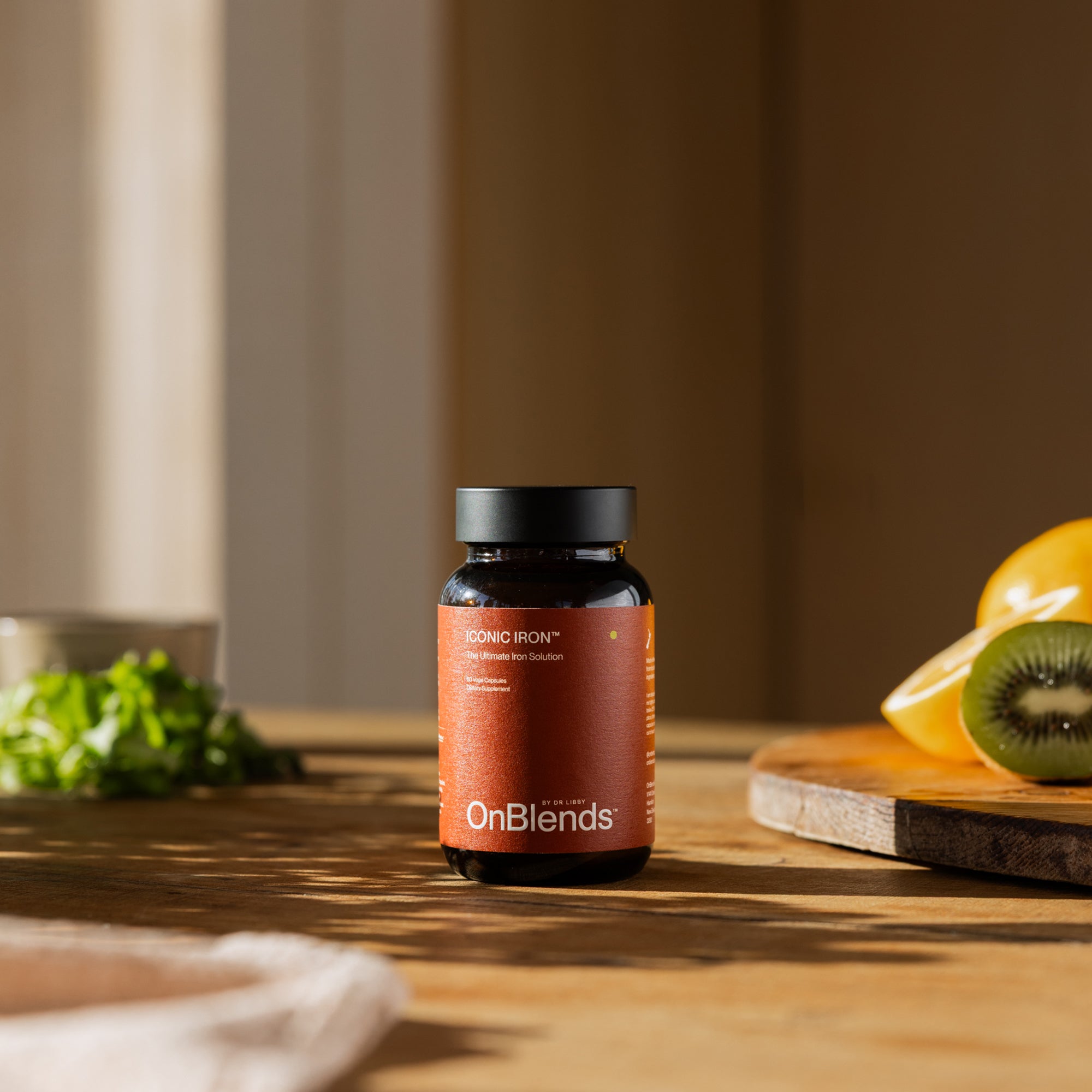
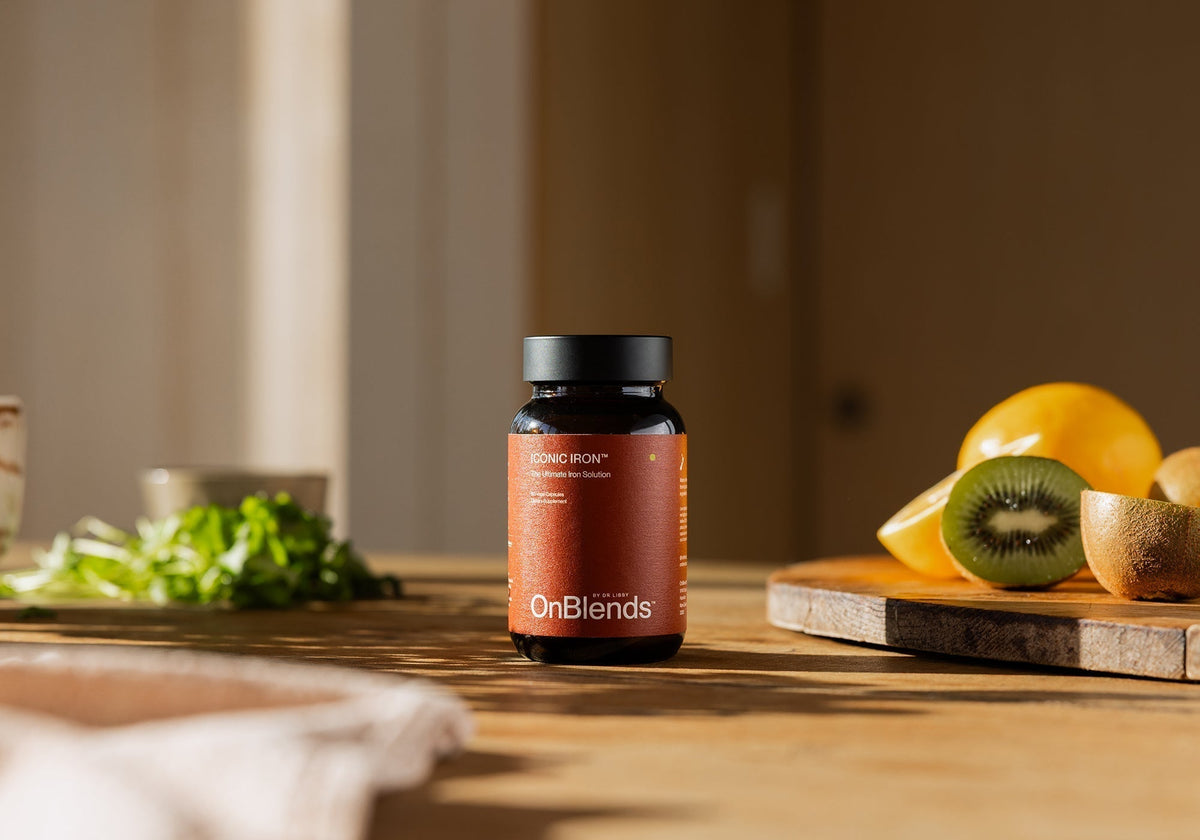
Its structure is a major part of what makes ferritin-iron fundamentally different from conventional iron supplements, which deliver free ionic iron, rely on stomach acid and a series of steps before absorption can occur. Iconic Iron™ doesn't attempt to improve on nature's design. It simply delivers iron in the same form plants and animals have been using to store it all along. This isn't just plant-sourced iron, it's plant-stored iron.
Ferritin-iron does not enter one atom at a time
This is where ferritin-iron becomes genuinely fascinating. Non-haem iron along with conventional non-haem iron supplements cross the intestinal wall one iron atom at a time using DMT1 transporters. Ferritin-iron takes an entirely different route. The intestinal cell recognises the whole ferritin protein, surrounds it and draws the entire iron-filled cage inside through a process called receptor-mediated endocytosis. This way, gut cells remain protected from exposure to free iron. The majority of the intact ferritin-iron structure is dismantled once it safely reaches the total iron pool where its iron is released for normal physiological use.
Because ferritin-iron uses its own pathway, it doesn't compete directly with haem iron or conventional iron salts for absorption. In one study involving 73 healthy women, even a nine-fold excess of ferrous sulphate or haem iron did not significantly reduce ferritin-iron absorption. Vitamin C also had no measurable effect, supporting the finding that ferritin-iron does not require the same reduction step as conventional non-haem iron.
The iron rules you know were written for a different form
You've probably heard advice like this:
• Take iron on an empty stomach.
• Always take it with vitamin C.
• Keep it away from calcium.
• Consider taking it every second day.
Most of these recommendations come from research on conventional iron salts. That doesn't make them wrong. It simply means they were developed around a form of iron with a very specific absorption pathway and a very specific set of challenges.
Ferritin-iron follows different biological rules. Its iron remains protected inside its protein cage, doesn't require stomach acid to become absorbable and enters the intestinal cell through its own receptor-mediated pathway rather than relying on DMT1. That doesn't mean every piece of conventional iron advice suddenly becomes irrelevant. It does mean we shouldn't assume guidance developed for one form of iron automatically applies to every other. Ferritin-iron simply deserves its own conversation.
The ferritin-iron rules
If you’re taking Iconic Iron™, it still pays to take it in the morning when your body’s natural iron absorption is higher. While the absorption of ferritin-iron does not appear to be disrupted by high calcium foods or polyphenols, we still encourage you to take it at least 30 minutes away from tea and coffee. You can take it every day as it doesn’t induce the hepcidin spike the high dose conventional iron salts do. Ultimately, consistency is key, so find the routine that you know you can stick to above anything else.