Article: The part of your cycle you might be overlooking
The part of your cycle you might be overlooking
When we think about the menstrual cycle, the period tends to get all the attention. It’s the part we can see; the part we plan around. And often, the part that lets us know when something doesn’t feel quite right. Yet, your period is really the final chapter of a much longer hormonal story. One of the most important events happens earlier, when one of your ovaries releases an egg.
Ovulation matters whether or not you’re trying to conceive. Because when you ovulate, the follicle that released the egg begins producing progesterone. Progesterone helps support the uterine lining during the second “half” of your cycle called the luteal phase. It also influences your mood, sleep, sense of calm, whether you feel fluidy or not and your body temperature.
You can bleed without ovulating
It’s easy to assume that getting a period means you’ve ovulated. But it’s possible to menstruate without releasing an egg. You likely won’t know you’ve had an anovulatory cycle (unless you are tracking your temperature) though. Although irregular, particularly heavy or unpredictable bleeding can sometimes be associated with changes in ovulation. This is one reason why your cycle can offer such useful information about your health. It doesn’t exist in isolation. It responds to what’s happening within and around you, including the food that you eat and the persistent thoughts that you think.
What does ovulation need from you?
Ovulation relies on communication between the pituitary gland in your brain and your ovaries. And that communication can be influenced by everything from how well nourished you are to how much stress your body is navigating. Sometimes the body simply doesn’t have enough energy available. This can happen when you aren’t eating enough to meet your needs, you’re exercising intensely without sufficient recovery or you’ve removed too many nourishing foods in an attempt to eat ‘perfectly’. The body may interpret this as a time to conserve energy rather than invest it in reproduction.
Ongoing stress can also alter the hormonal signals required for ovulation. And this doesn’t only mean emotional stress. Illness, inadequate sleep, excessive exercise and under-fuelling all add to the physiological load your body is carrying. Then there are health conditions that can affect ovulation, including thyroid dysfunction and polyendocrine metabolic ovarian syndrome (PMOS). Ovulation also naturally becomes less consistent during perimenopause.
One major area that is too often overlooked is iron status. If you are deficient, it can change how often you menstruate as well as how heavy it is. Don’t underestimate the impact on your cycle of correcting iron deficiency.
So if your cycle has changed, it’s important not to assume that stress or ‘imbalanced hormones’ must be the entire explanation. Sometimes further investigation is needed.
Start with nourishment
Developing and releasing an egg is a nutrient-dependent process. Your body draws on protein, essential fats and a wide range of vitamins and minerals to support ovarian function, thyroid health, cellular energy and hormone production. Rather than searching for one nutrient that will ‘fix’ ovulation, focus on variety. Include quality protein, colourful vegetables and fruit, starchy vegetables and nourishing fats across your week.
Minerals including iodine, zinc, selenium, iron and magnesium all contribute to processes involved in reproductive health and ensuring you are getting enough of these is an important consideration.
Consider the stress your body can feel
Stress support might look like slowing your breathing and addressing the pressure or urgency you place on yourself. It can also look like going to bed earlier, eating more, reducing caffeine intake, swapping an intense workout for a walk or giving yourself time to properly recover after illness. Your body responds to all forms of stress. Supporting ovulation means considering the total load rather than focusing only on how emotionally stressed you feel.
Targeted support for your cycle
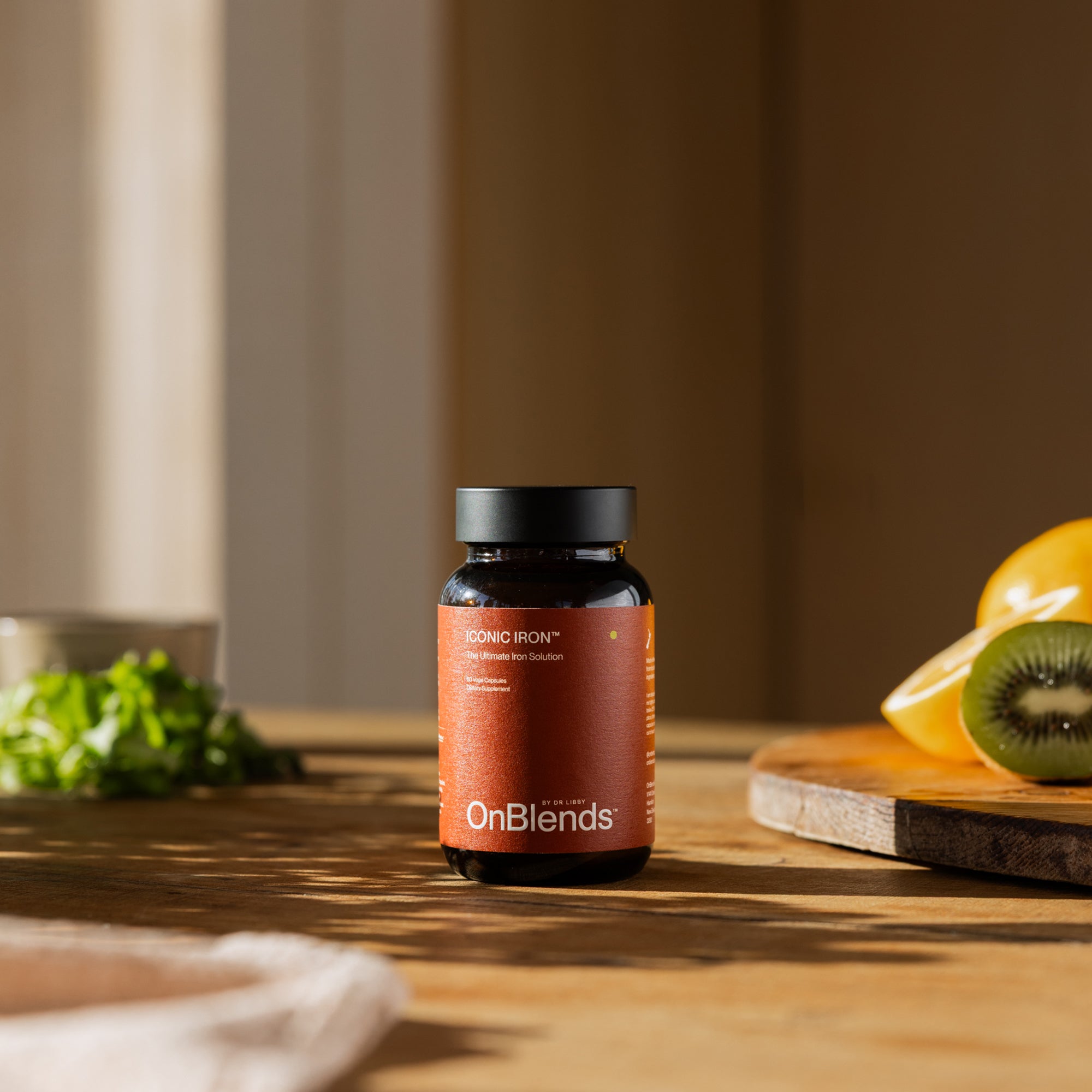
Cycle Essentials was formulated by Dr Libby to support healthy ovarian and adrenal function, cyclical ovulation and healthy progesterone production. It combines iodine from New Zealand kelp with Paeonia, liquorice, Dong quai and Siberian ginseng. Together, these ingredients provide targeted support for the systems involved in a healthy menstrual cycle. Organic Zinc and Organic Magnesium can provide further foundational support. Zinc is involved in ovarian function and sex hormone production, while magnesium supports energy production, the nervous system, sleep and the body’s response to stress – all of which contribute to the broader environment in which healthy ovulation takes place. If you are iron deficient, Iconic Iron is changing lives with its restorative benefits.
Because your body doesn’t build a cycle overnight, give the foundations time to make a difference. Consistent nourishment, rest and recovery will usually serve you far better than trying to do everything perfectly for a few weeks. If your periods have stopped, become persistently irregular or are unusually heavy, prolonged or painful, you might like to speak with a qualified healthcare professional. Your cycle can provide immensely useful clues.